Frequently asked questions
Osteopathy
What is osteopathy and what can it help me with?
Osteopathy is a system of holistic healthcare and a manual therapy. It focusses on the diagnosis, treatment, management, prevention, and rehabilitation of musculoskeletal disorders. Osteopaths treat all ages, looking at how the whole body interconnects, and treatment facilitates the body's own ability to heal itself.
We treat many conditions including, but not limited to, neck pain, back pain, joint pain and stiffness or arthritic pain, headaches and migraines, sinus issues, neuralgia, breathing issues, digestive issues, muscle spasms and tension, pelvic pain, postural issues, sports injuries and sciatica.
What will happen in my initial consultation?
Your initial consultation will last up to an hour. You will be asked some questions about why you are coming in and what the problem is, your medical history and some general health questions. We will then move onto assessment and orthopedic testing: looking at your posture and general movement of your body; using our hands to assess tissue quality - looking for areas of tension, tenderness, restriction or asymmetry; and assessing the function of your musculoskeletal system. Sometimes further testing may be required, such as neurological testing.
Once assessment has been carried out, we will discuss what has been found, and if osteopathic treatment is safe and appropriate, we will continue onto treatment. This could include mobilisation, soft tissue work, stretching, gentle cranial techniques, visceral treatment or joint manipulation.
Where required postural advice, exercises, management or lifestyle advice will be given.
In some cases referral to a GP or an alternative healthcare professional is required, and treatment may not be carried out at this time.
What should I wear? Will I need to undress?
During examination and treatment you may be asked to undress down to your underwear, or adjust clothing depending on your presenting complaint. This allows us to clearly observe the area being assessed and enable us to effectively carry out certain techniques, with your consent. If you would prefer not to undress, please wear shorts/loose clothing. Towels will always be available for modesty.
Will examination or treatment hurt?
Examination may cause the reproduction of your symptoms, such as pain or sensitivity. This will be carried out as gently as possible, and within your limits. Discussion at the time will bring about a patient practitioner decision regarding the limits of testing and care will be taken epecially in cases of acute presentations.
Treatment will generally be relaxing and helping to ease your discomfort. Continual communication throughout treatment will help during techniques such as soft tissue work, where discomfort maybe worked into to bring about release and relief, please ensure to let me know if any technique is causing too much discomfort so I can adapt the technique to work within your pain limits.
There may be times where you experience mild discomfort, soreness or fatigue after treatment, particularly if you are new to osteopathy. This is your body responding to the changes and releases that have been made, and usually lasts up to 48 hours after treatment. This is nothing to worry about.
Can I bring someone with me to my appointment?
You are entitled to have someone present (known as a chaperone) during your consultation. This could be a relative, guardian or friend.
If you feel you would like a chaperone present, please bring someone with you to your appointment. They can be present throughout the entire consultation, or certain elements only. This is completely at your discretion.
Anyone under the age of 16 by law must always be accompanied by a relative/guardian throughout their consultation. I am a member of the PVG scheme allowing me to work with children and protected adults.
How long is the training to become an osteopath?
To become an Osteopath in the UK, students must complete a four-year Master’s Degree (MOst) or Bachelor of Science honours degree (BSc (Hons)). They must then register with the General Osteopathic Council every year to legally maintain the title ‘Osteopath’, whilst completing at least 30 hours of CPD (continuing professional development) per year.
What if I am unsure of which appointment to book?
If you are unsure of which treatment approach you would prefer, please book an osteopathic initial consultation, and following assessment I will advise and discuss the best treatment approach for your unique body and presentation. This allows you the opportunity to ask any questions if you are unsure, and help you to make any decisions moving forward.
Do I need to see a doctor first? Can I claim through private health insurance?
You do not need a GP referral before seeing an osteopath. We are trained to a high medical standard enabling us to recognise, where required, when to refer to an alternative healthcare professional.
We are highly trained musculoskeletal specialists and will offer management, rehabilitation and advice regarding your diagnosed condition.
If you are looking to claim through private health insurance, you may need a referral letter or approval from your GP or insurance company prior to booking your appointments. Please contact your insurance provider to check their policies and procedures. If you require anything from me such as completing documents, please do not hesitate to contact me.
I am currently registered with Alliance Health Corporate, Aviva, AXA Health and WPA insurance providers.
Does osteopathy just treat the spine?
As osteopaths we treat the whole body, meaning you could come in with anything ranging from a headache to a foot issue. We treat the musculoskeletal system - the joints, bones, muscles, ligaments, tendons and fascia - as well as any system that links in to this system. In essence, we treat all systems of the body via its connection to the musculoskeletal system.
For example, some organs such as the stomach, are attached to the diaphragm via ligaments. The diaphragm is attached to areas of the body such as the ribs and the spine. Therefore, an issue with the stomach could be the root cause of a problem you are feeling at the spine or in the rib cage. This is one example of how viceral osteopathy (techniques on organs) works. It shows how working to release the tissues and the surrounding tissues of the stomach can have an effect on freeing up the spine, making the spine move better and feel more comfortable.
Will my back be 'cracked' every time I visit?
As osteopaths we are trained in a variety of different techniques varying from joint manipulation, where you may hear an audible 'crack', to very gentle techniques, which will have exactly the same effect.
We will treat based on what is appropriate for your body, as well as taking into consideration your preferences.
There are some conditions where joint manipulation cannot be used, and we will adapt treatment to accommodate this. Treatments are tailored to your comfort level and body, meaning we can treat all ages from infants to the elderly, as well as varying degrees of health conditions.
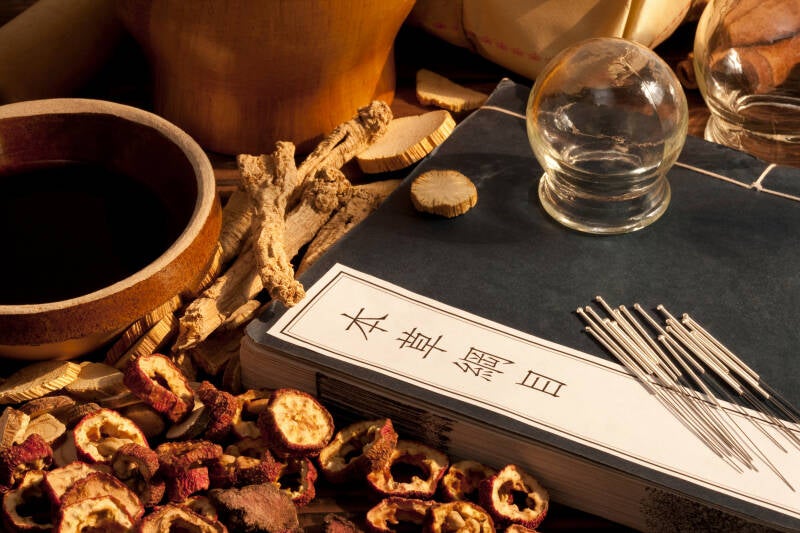
TCM Acupuncture
What is Traditional Chinese Medicine (TCM) Acupuncture?
How does TCM Acupuncture work?
What can TCM Acupuncture help me with?
What is auricular acupuncture?
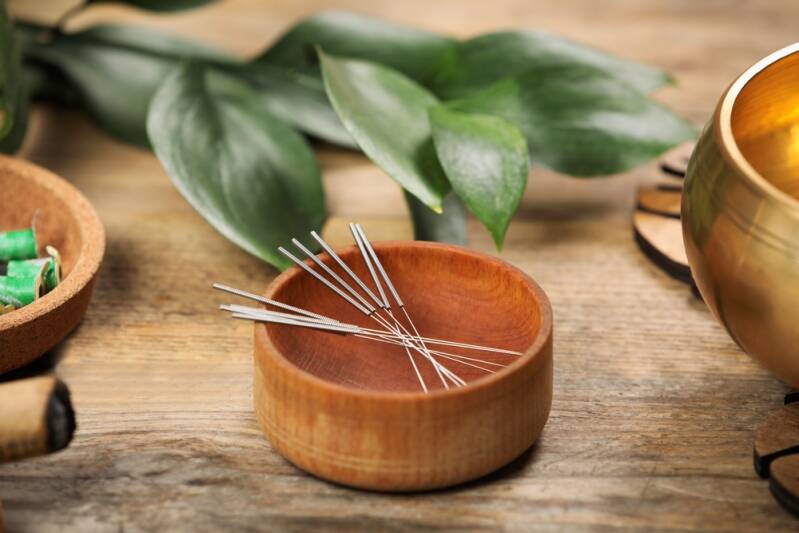
This is acupuncture done on the ear which involves the insertion of superfine needles into specific points that correspond to parts of the body. Once inserted the needles can be manipulated to stimulate the body for healing effects.
How does it work?
The ear is used as a localised reflex system for every part of the body connecting to the central nervous system. This is known as a microsystem in Chinese Medicine. It can be used in conjunction with body acupuncture points, or as a stand-alone treatment, having the same effects and working on the same conditions listed above for general TCM acupuncture.
What else can it help with?
Auricular acupuncture is particularly effective in calming the stress reponse in the body and mind, releasing held emotion, and supporting overall general relaxation.
It can be used as a stand-alone treatment or in combination with psychological therapies such as hypnotherapy or counselling, where it helps to calm the nervous system, making therapy more effective. You may be working through issues such as smoking cessation, pre exam stress, eating disorders or detoxification from drugs or alcohol, for example.
Side effects
Emotional release following auricular acupuncture can sometimes happen. This is an important release, as it means that you are no longer holding onto the emotion in mind or body. If you are concerned regarding emotional release, please speak to me beforehand. Where possible ensure you have some space following treatment for processing and have the appropriate support in place, especially if you are currently going through a difficult period or working through held trauma.
Will acupuncture hurt?
Acupuncture needled as ultra fine and most people experience minimal to no discomfort during treatment.
There may be times where some discomfort is felt when needles are being inserted, but this soon passes.
Some people are highly sensitive or may currently be going through a period where the nervous system is in a heightened state. Acupuncturists are highly trained to assess and work with the person they are treating to ensure treatment is as comfortable as possible. On occassion it may be the case that acupuncture is not suitable for the body at this time, and it can be returned to later.
Most people do not experience side effects, but some may experience minor discomfort or bruising. This is nothing to worry about.
What can I expect on my first visit?
Your initial consultation will last up to an hour. You will be asked some questions about why you are coming in and what the problem is, your medical history and some general health questions. We will discuss in depth your overall picture at this time including sleep, digestion, emotional health, stress, energy levels, nutrition and life style, as well as your presenting symptoms. You may be asked to show your tongue and pulses may be taken during assessment. Assessment may also include palpation (examination by touch) of the meridian lines in certain areas of the body.
Taking into consideration what has been discussed, and following assessment of the body, treatment will be carried out using the acupuncture points best suited to your unique presentation at this time, and a full explanation of the treament and its aims will be given.
Following treatment you may be given self management exercises to support you between treatment sessions, such as self massage, acupressure routines or diet suggestions.
How many acupuncture sessions will I need?
The number of treatment sessions required can vary based on the condition being treated and the individual's response to treatment.
What is the difference between TCM acupuncture and dry needling?
Dry needling is a modern, evidence-based treatment approach performed by licensed healthcare professionals. It is designed specifically to treat muscle pain, trigger points, and movement dysfunction. It works by inserting needles directly into the areas of the muscle known as myofascial trigger points - tight, painful knots within muscles that can restrict movement and cause local or referred pain.
Dry needling works on the affected muscle only, not the whole body, as TCM acupuncture does.
Combined osteopathy and acupuncture appointments
Why does osteopathy and acupuncture work well together?
When combined, osteopathy and Traditional Chinese Medicine (TCM) acupuncture work well to calm the mind and body on a deeper level. TCM acupuncture may be combined with all types of osteopathic techniques, and this will be adapted to suit your individual needs.
Where needles are inserted into the body, we are working on a deeper energetic level, and also working deeper into the tissues and organs of the body. TCM is a holistic approach working on the whole system, providing multiple benefits.
Similar to having osteopathic or chairopractic treatment following a massage, we are able to get further movement through the joints if the tissues around them are relaxed. With TCM acupuncture, we have the same effect, along with an added deeper level of relaxation in the area of discomfort, and the whole body, due to the work carried out on the nervous system.
What if I am unsure if a combined appointment is right for me?
If you are unsure of which treament approach you would prefer, or have no prior experience of osteopathy or acupuncture, please book an osteopathic initial consultation. Following assessment, I will advise and discuss the best treatment approach for your unique body and presentation. This allows you the opportunity to ask any questions if you are unsure, and help you to make any decisions moving forward.
Not sure about needles and want similar benefits?
The clinic I work in also offers sports massage. Book a massage with Jack at Jack's Massage Remedy before booking an osteopathy appointment with me. Please ensure to book the appointments within a few days of each other for optimal benefits.
Here is a link to Jack's website to book: Contact